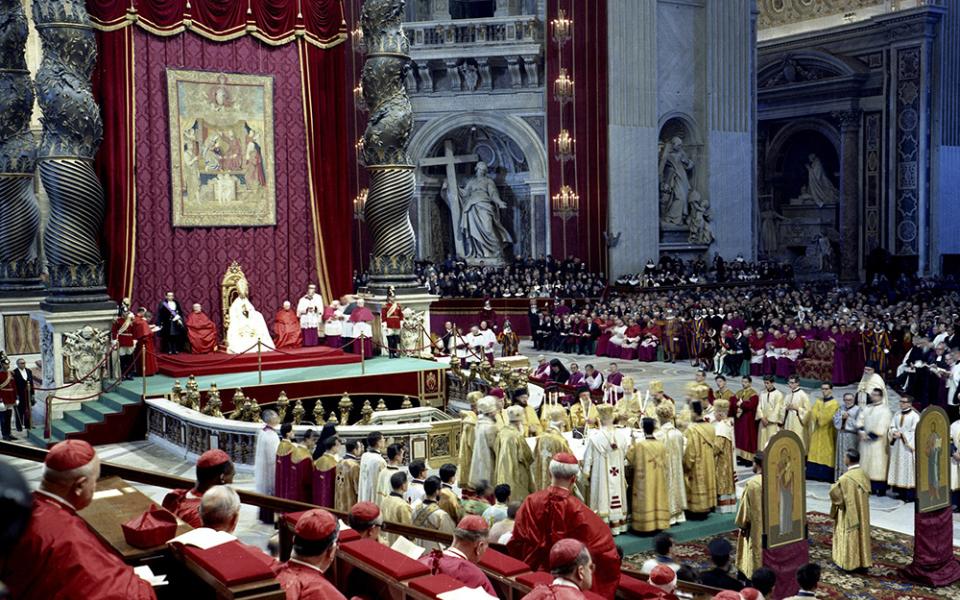
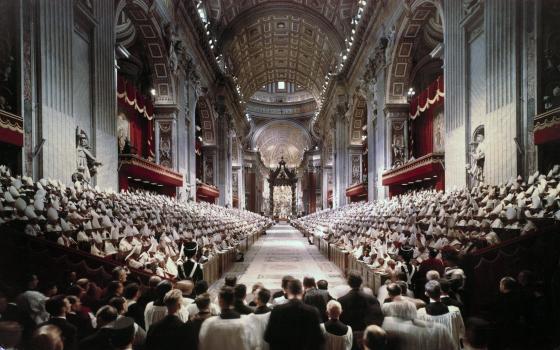
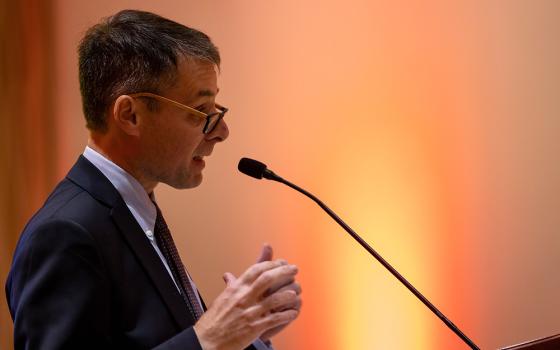
In the second of Michael Sean Winters' two-part review of The Oxford Handbook of Vatican II, he praises the book's treatment of the council itself and its reception.
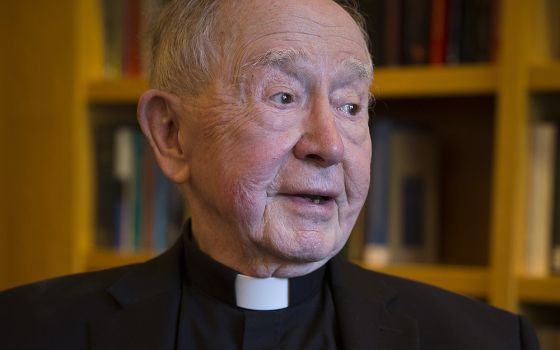
Appreciation: Apart from his achievements in many areas of historical scholarship, Jesuit Fr. John O'Malley embraced the importance of studying history itself. His question, one of his favorite phrases, was, "So what?"
Michael Sean Winters: George Weigel and Archbishop Joseph Naumann criticize Pope Francis in ways that are uniquely American and increasingly anachronistic.
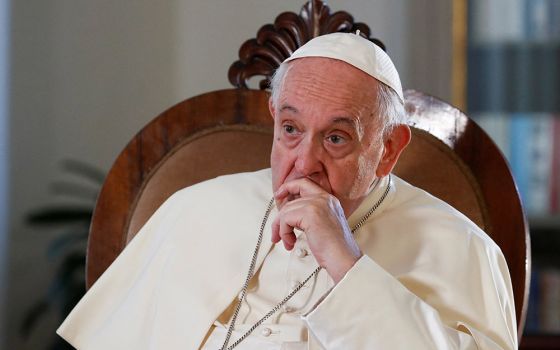
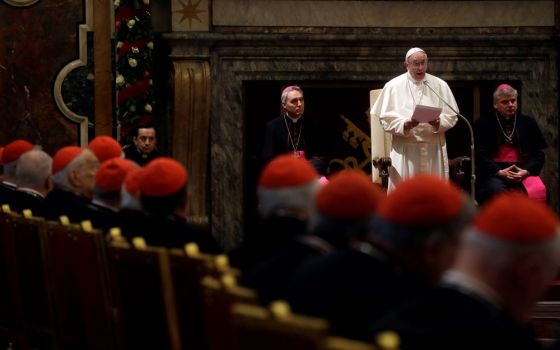
Francis sees the role of the Curia in a totally different way from earlier popes. The Curia is staff, not part of the chain of command. It is more like civil service than a governing elite. This is revolutionary.
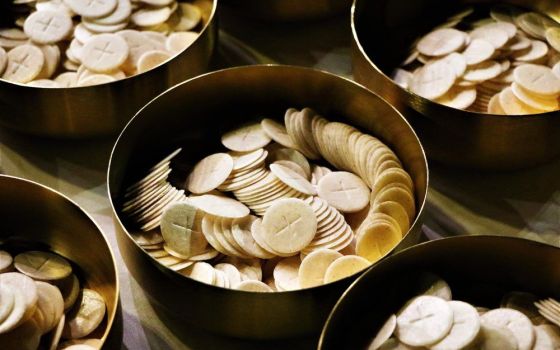
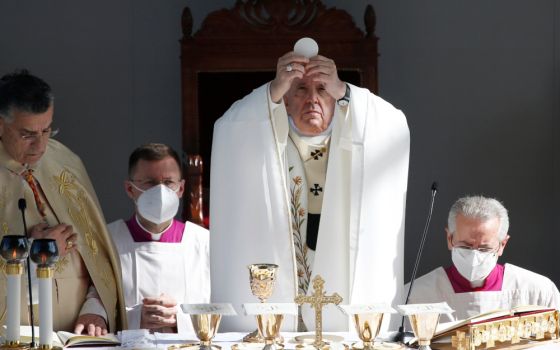
Pope Francis' June 29 apostolic letter, Desiderio Desideravi, will be of little interest to the vast majority of Catholics who do not oppose the reforms, but need to be drawn deeper into the mystery of the Eucharist.
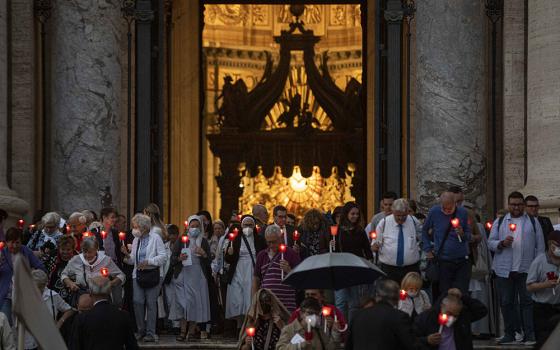
In a letter titled Desiderio Desideravi ("I have earnestly desired") and released June 29, the feast of Sts. Peter and Paul, Pope Francis insisted that Catholics need to better understand the liturgical reform of the Second Vatican Council and its goal of promoting the "full, conscious, active and fruitful celebration" of the Mass.

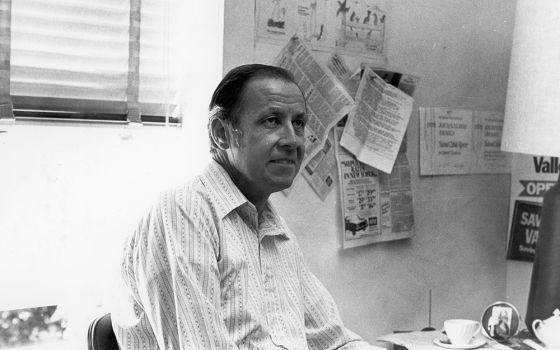
Appreciation: For more than 30 years, Fr. Michael Gillgannon wrote for NCR from Bolivia in columns critical of U.S. foreign policy and in support of church reform efforts in the region. Gillgannon died June 19.