

Join the Conversation
Send your thoughts to Letters to the Editor. Learn more
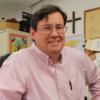
Terrence W. Tilley, the outgoing president of the Catholic Theological Society of America, gave quite an address at the society's annual meeting last week in Halifax, Nova Scotia. He said he's worried that unresolved "impasses" in theology and in church life could "stunt" the growth of the church.
Tilley, chairman of the theology department at Fordham University, identified three current impasses he sees in the U.S. church:
- "a shrinking, and in some places demoralized, presbyterate that cannot be enlarged significantly under present rules";
- "a laity that loves the church but has stopped listening to the bishops";
- "a hardworking and loyal body of religious women who are disgusted and discouraged by repeated investigations of religious life and attempted reversals of self-governance."
And three ongoing impasses in theological circles:
- whether one begins with Scripture and tradition, "or does one begin with the current situation?"
- "how to account for God's salvific will being effective beyond the community of the baptized."
- how Jesus could be both divine and human
Various tactics "have been tried and found wanting" to solve the impasses, he said, but "the key failed tactic ... is stopping the dialogue, often done by silencing theologians."
Here's a news account of the address, CTSA head suggests approaches to resolving 'impasses' in church.
Here's the full text of Tilley's presidential address, from the society's Web site.


